Seasonal Durability: All Weather Self Drilling Screws
Updated: Oct 1
Self drilling screws have become a staple in construction, DIY projects, and repairs. Their unique design allows them to drill their own hole and fasten materials without the need for pre-drilling. But what makes these screws truly valuable is their ability to perform well in all types of seasons. Whether it’s the heat of summer, the chill of winter, or the wet conditions of spring and fall, self drilling screws maintain their strength and reliability. This post explores how these screws work across different weather conditions and why they remain a top choice year-round.

How Self Drilling Screws Work
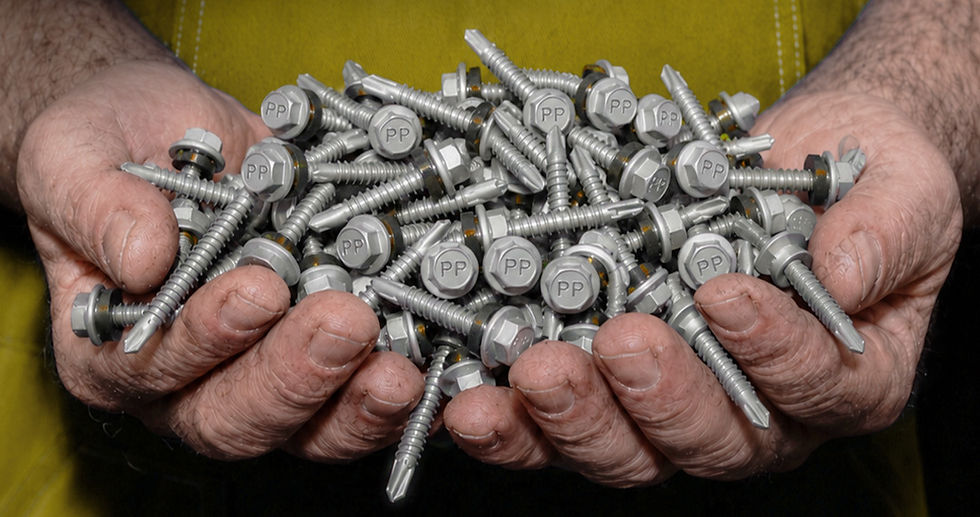
Self drilling screws combine the functions of a drill bit and a screw. The tip is shaped like a drill bit, allowing it to cut through materials such as metal, wood, or plastic. This eliminates the need for a pilot hole, saving time and effort. As the screw drills in, its threads grip the material tightly, creating a secure hold.
The design also reduces the risk of material damage. Since the screw drills its own hole, it prevents cracking or splitting that can happen with traditional screws when pre-drilling is done incorrectly. This feature is especially useful when working with delicate or thin materials.
Performance in Hot and Dry Seasons
In hot weather, materials like metal and wood expand due to heat. Self drilling screws accommodate this expansion because their threads provide a firm grip without causing stress on the material. The screws are often coated with corrosion-resistant finishes such as zinc or stainless steel, which protect them from rust caused by heat and exposure to sunlight.
For example, roofing projects in summer benefit from self drilling screws because they hold metal panels securely even as temperatures fluctuate throughout the day. The screws maintain their grip without loosening, ensuring the structure remains stable.
Handling Cold and Freezing Conditions
Cold weather can make materials brittle and prone to cracking. Self drilling screws perform well in these conditions because their drilling tip creates a clean hole, reducing stress on the material. The screws’ strong threads also help hold materials together tightly, preventing gaps that could let in cold air or moisture.
In winter construction or repairs, self drilling screws are preferred for fastening metal frames or wooden structures. Their ability to drill through frozen or hardened surfaces without pre-drilling saves time and reduces the risk of damaging materials.
Resilience in Wet and Humid Seasons
Moisture and humidity can cause rust and corrosion, which weaken fasteners over time. Self drilling screws designed for outdoor use often feature coatings like galvanized or stainless steel finishes that resist corrosion. This makes them ideal for use in rainy or humid climates.
For instance, during spring or fall when rain is frequent, self drilling screws secure outdoor fixtures such as fences, decks, and gutters. Their corrosion resistance ensures long-lasting performance, preventing the need for frequent replacements.
Practical Tips for Using Self Drilling Screws Year-Round
Choose the right coating: Select screws with coatings suited for your climate. Stainless steel is best for wet environments, while zinc-coated screws work well in dry conditions.
Match screw size to material: Using the correct length and diameter ensures a strong hold without damaging the material.
Use proper tools: A drill with adjustable torque settings helps avoid over-tightening, which can strip threads or damage materials.
Store screws properly: Keep screws in a dry place to prevent premature rusting before use.
Examples of Seasonal Applications
Summer: Installing metal roofing panels on a hot day. Self drilling screws hold panels firmly despite heat expansion.
Winter: Repairing a metal fence in freezing temperatures. Screws drill through hardened metal without cracking.
Spring: Building a wooden deck during rainy weather. Corrosion-resistant screws prevent rust from moisture.
Fall: Securing gutters before the wet season. Screws resist corrosion and maintain a tight seal.
Self drilling screws adapt to the challenges each season brings, making them a reliable choice for professionals and DIY enthusiasts alike.
Self drilling screws offer unmatched versatility by combining ease of use with strong, weather-resistant performance. Their ability to drill and fasten in one step saves time and reduces material damage. Whether facing heat, cold, moisture, or humidity, these screws maintain their grip and resist corrosion. Choosing the right type and coating for your project ensures they will hold up through every season. Next time you start a project, consider self drilling screws for a fast, durable, and season-proof fastening solution.


Comments