The Ultimate Self Drilling Screw Applications Guide
Updated: Oct 1

Self-drilling screws have transformed the way professionals and DIY enthusiasts approach fastening tasks. These screws combine drilling and fastening into one step, saving time and effort on many projects. If you have ever struggled with pre-drilling holes or dealing with misaligned screws, self-drilling screws offer a practical solution. This guide explores what self-drilling screws are, where they are used, and why they have become a staple in construction, manufacturing, and home improvement.
What Are Self-Drilling Screws?
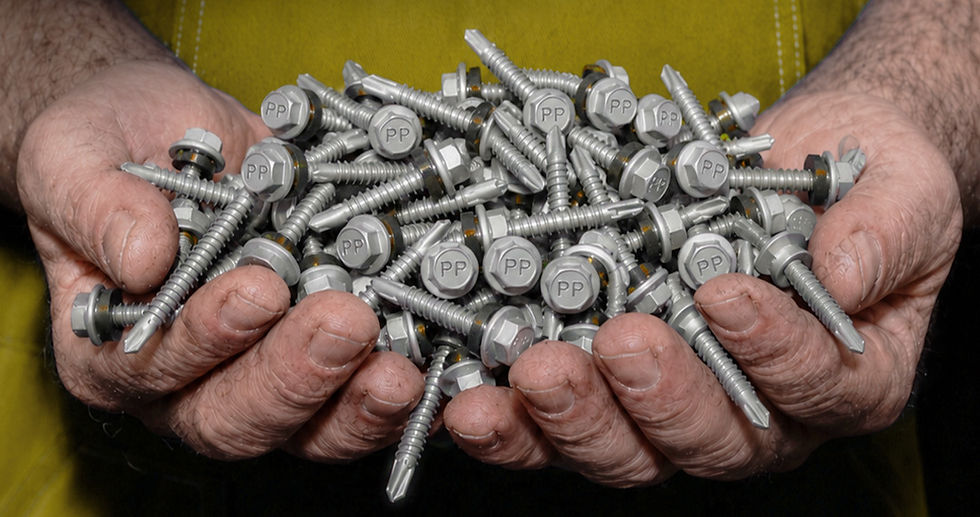
Self-drilling screws are specialized fasteners designed with a drill-like tip that allows them to cut through materials without the need for a pilot hole. Unlike traditional screws, which require a separate drilling step, these screws combine drilling, tapping, and fastening in one action. The tip resembles a small drill bit, which bores into the material as the screw is driven in.
The body of the screw often features threads designed to grip securely into metal, wood, or composite materials. Self-drilling screws come in various sizes, thread types, and coatings to suit different applications and environments.
Common Applications of Self-Drilling Screws
Self-drilling screws are widely used across industries due to their efficiency and reliability. Some common applications include:
Metal Construction
These screws are ideal for fastening metal sheets, such as steel or aluminum panels, in roofing, siding, and framing. Their ability to drill through metal eliminates the need for pre-drilling, speeding up installation.
Electrical and HVAC Installations
Electricians and HVAC technicians use self-drilling screws to mount electrical boxes, conduit straps, and ductwork. The screws provide a strong hold on metal studs and frames.
Automotive and Machinery Assembly
In manufacturing, self-drilling screws help assemble metal parts quickly and securely, reducing production time.
Woodworking and Composite Materials
Some self-drilling screws are designed for wood or composite materials, allowing builders to fasten components without splitting the material.
Home Improvement Projects
DIYers use these screws for tasks like installing metal roofing, attaching gutters, or building metal furniture.
Benefits of Using Self-Drilling Screws
Choosing self-drilling screws offers several advantages over traditional screws and fasteners:
Time Savings
Eliminating the need for pre-drilling holes can cut installation time by up to 50%, especially on large projects.
Reduced Tool Requirements
Since the screw drills its own hole, fewer tools are needed. This simplifies the work process and reduces the chance of errors.
Improved Accuracy
The drill tip guides the screw straight into the material, reducing the risk of misalignment or damage.
Strong and Durable Fastening
Self-drilling screws create tight, secure joints that resist loosening due to vibration or movement.
Versatility
Available in different materials and coatings, these screws can be used indoors or outdoors, in corrosive environments, or with various substrates.
How to Choose the Right Self-Drilling Screw
Selecting the correct self-drilling screw depends on the project requirements and materials involved. Consider the following factors:
Material Compatibility
Choose screws designed for the material you are fastening. For example, use stainless steel screws for corrosion resistance in outdoor metal applications.
Screw Size and Length
The screw should be long enough to penetrate both materials being joined without protruding excessively.
Thread Type
Coarse threads work well for wood and softer materials, while fine threads are better for metal.
Head Style
Common head types include pan, hex, and flat heads. The choice depends on the tool used and the desired finish.
Coating and Finish
Zinc-plated, galvanized, or coated screws offer protection against rust and wear.
Tips for Using Self-Drilling Screws Effectively
To get the best results, follow these practical tips:
Use a drill or impact driver with the correct bit size and torque settings to avoid stripping the screw head.
Apply steady pressure to allow the drill tip to cut through the material smoothly.
Avoid over-tightening, which can damage the screw or the material.
For thicker materials, consider screws with longer drill tips or pre-drill pilot holes if necessary.
Store screws in a dry place to prevent corrosion before use.
Common Mistakes to Avoid
Even with their ease of use, some mistakes can reduce the effectiveness of self-drilling screws:
Using the wrong screw type for the material can lead to poor grip or corrosion.
Skipping safety gear when working with metal can cause injury from metal shavings.
Applying excessive force can break the screw or damage the surface.
Ignoring manufacturer guidelines on maximum material thickness can cause incomplete drilling.
Final Thoughts on Self-Drilling Screws
Self-drilling screws simplify fastening tasks by combining drilling and fastening into one step. Their versatility and efficiency make them valuable for professionals and hobbyists alike. By choosing the right screw and using proper techniques, you can achieve strong, reliable joints quickly and with less effort.
If you want to improve your next project’s speed and quality, consider switching to self-drilling screws. They offer a practical way to save time, reduce tool clutter, and get the job done right the first time. Explore different types and experiment with their applications to find the best fit for your needs.


Comments